
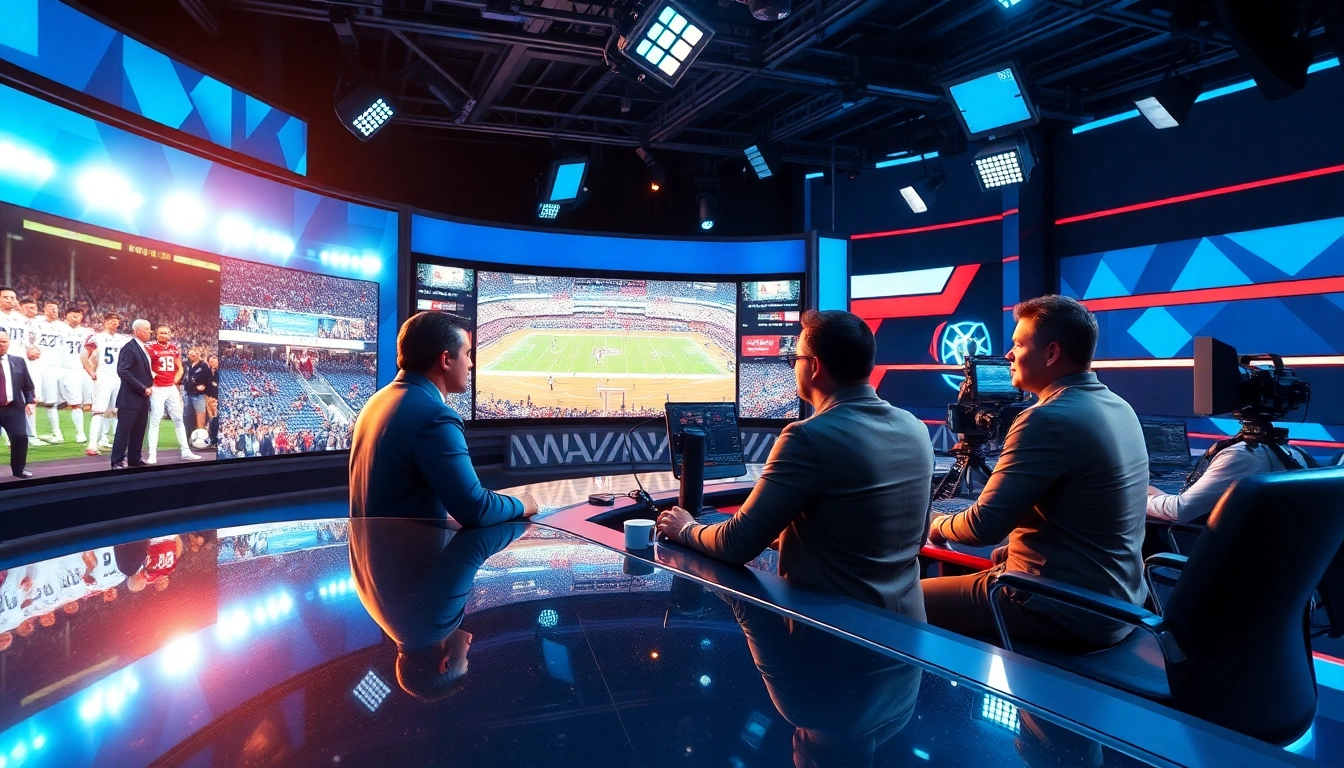
Understanding Sports Broadcasting
What is Sports Broadcasting?
Sports broadcasting encompasses the dissemination of sports content through various media platforms, including television, radio, and digital streaming. It serves as a bridge between the sporting world and fans, providing not only live coverage of events but also analysis, news, and highlights. This sector has grown significantly, driven by technology and the increasing appetite for sports entertainment. A key component of this evolution is the growth of Sports Broadcasting across diverse platforms, reaching wider audiences than ever before.
The Role of Broadcasters in Sports
Broadcasters play a pivotal role in sports, functioning as storytellers and facilitators. They are responsible for delivering live events to viewers, offering expert commentary, and providing insights that enhance the viewing experience. Broadcasters also engage in pre- and post-game shows, interviews with players and coaches, and analysis that contextualizes the games. This multifaceted role ensures that fans feel connected to their favorite sports and athletes, regardless of their location.
Key Components of Sports Broadcasting
Sports broadcasting comprises several essential components, including:
- Live Coverage: Real-time broadcasting of games and events, allowing fans to experience the action as it unfolds.
- Commentary: Expert analysis and play-by-play narration that enriches the viewer’s understanding.
- Production Values: High-quality visuals, replays, and interactive features that enhance the viewing experience.
- Audience Engagement: Interaction with viewers through various platforms, particularly social media, to foster a more communal viewing experience.
Technology in Sports Broadcasting
Live Streaming Innovations
The shift towards live streaming has revolutionized sports broadcasting. Audiences now prefer streaming services that offer flexibility in viewing times and platforms. Innovations such as 4K resolution, multi-camera angles, and interactive features have made live streaming a preferred choice for many viewers. Services now often provide on-demand content, allowing fans to revisit significant moments from games or catch up on events they missed, all at their convenience.
Importance of Quality Equipment
Quality equipment is paramount in sports broadcasting. High-definition cameras, advanced sound systems, and innovative graphics play a crucial role in presenting a professional and engaging broadcast. Organizations invest in technologies such as drone cameras for aerial shots and augmented reality graphics to provide viewers with an immersive experience. Ensuring top-notch equipment minimizes technical failures that could disrupt audience engagement.
Use of Analytics in Broadcasting
Analytics in sports broadcasting is increasingly utilized to provide insights that enhance storytelling and viewer engagement. Data-driven analysis can reveal player statistics, game strategies, and historical comparisons, leading to richer commentary. Broadcasters are leveraging big data to examine viewer habits and preferences, enabling them to tailor content that resonates better with their audience and ensures higher engagement rates.
Best Practices for Engaging Audiences
Creating Compelling Commentary
Compelling commentary is vital to engaging audiences. Broadcasters must strike a balance between providing informative analysis and entertaining commentary. Employing a dynamic and enthusiastic tone helps maintain viewer interest while injecting personality into the broadcast. Familiarity with the athletes and teams enhances authenticity and connects with the viewer emotionally.
Utilizing Social Media
Social media platforms offer broadcasters a unique opportunity to engage with fans in real-time. Effective use of Twitter, Instagram, and Facebook enables presenters to share insights, behind-the-scenes content, and fan interactions. Building a social media presence fosters a sense of community, encouraging viewers to share their thoughts and experiences while deepening their connection to the broadcast.
Building a Community Around Sports
Successful sports broadcasters recognize the importance of community. By fostering fan involvement through polls, discussions, and interactive content, broadcasters can create an environment where viewers feel valued and part of the narrative. Engaging with fan-led initiatives and showcasing audience content during broadcasts encourages loyalty and enhances the overall viewing experience.
Legal and Ethical Considerations
Understanding Broadcasting Rights
An essential aspect of sports broadcasting involves navigating complex broadcasting rights agreements. Broadcasters must ensure they hold the necessary licenses to air content, which often involves negotiations with leagues, teams, and governing bodies. Understanding the legal landscape and adhering to contractual obligations is vital to avoid infringements that can lead to costly penalties and reputational damage.
Adhering to Ethical Standards
Ethics in sports broadcasting encompasses various aspects, from fair reporting to respecting athlete privacy. Broadcasters should strive for accuracy, impartiality, and integrity in their presentation. Maintaining ethical standards builds trust with viewers and enhances the credibility of the broadcast. It’s also vital to handle sensitive issues sensitively, such as player health or personal matters.
Managing Sponsorships in Broadcasting
Sponsorships play an integral role in sports broadcasting, providing vital revenue streams. However, managing these partnerships ethically is crucial. Broadcasters must balance sponsorship promotions with content integrity, ensuring that commercial interests do not overshadow the sports narrative. Transparency with audiences regarding sponsorships fosters trust and maintains the integrity of both the broadcaster and the sport.
Future Trends in Sports Broadcasting
Impact of Virtual Reality and AR
Virtual reality (VR) and augmented reality (AR) are poised to dramatically change the landscape of sports broadcasting. These technologies offer immersive viewing experiences, allowing fans to feel as if they are part of the action. VR can recreate a stadium experience at home, while AR can provide interactive graphics during broadcasts, enhancing engagement and viewer satisfaction.
Emerging Technologies in Broadcasting
The emergence of technologies such as Artificial Intelligence (AI) and machine learning is transforming sports broadcasting by automating content generation and enhancing data analytics. AI can analyze vast amounts of information quickly, producing real-time insights that broadcasters can use to enhance commentary and viewer interaction. This integration of tech streamlines production processes and elevates the quality of broadcasts.
Shifts in Viewership and Engagement
As viewer preferences shift towards on-demand content, sports broadcasters must adapt their strategies. The traditional model is evolving, with younger audiences favoring highlights and streaming services over traditional TV broadcasts. Understanding these shifts is crucial for broadcasters to meet viewer expectations and capture emerging demographic markets effectively.
FAQs About Sports Broadcasting
What is the primary purpose of sports broadcasting?
The primary purpose is to deliver live sports events and related content to fans, providing entertainment, information, and analysis.
How has technology changed sports broadcasting?
Technology has introduced live streaming, enhanced graphics, and interactive features, improving the overall viewer experience.
What role do broadcasters play in sports?
Broadcasters deliver live events, provide commentary, analyze performances, and engage with audiences to create an informed and entertaining experience.
Why are ethical standards important in broadcasting?
Ethical standards ensure accuracy, integrity, and respect towards athletes, fostering trust with audiences and preserving the broadcast’s credibility.
What trends are shaping the future of sports broadcasting?
Trends include the rise of VR and AR, the integration of AI technologies, and changing viewer preferences towards on-demand content.